
At a glance
-
Light
Bright, indirect light; avoid harsh direct sun.
-
Water
Moderate; soak or water when substrate is nearly dry.
-
Temperature
18–26 °C; protect from cold drafts.
-
Humidity
High (≥ 60%); thrives in humid rooms.
Care difficulty
Moderate
Staghorn ferns aren’t hard to keep, but they have specific needs for mounting, watering, and humidity. Best for plant lovers who enjoy hands-on care and a distinctive, sculptural plant.
Detailed care instructions
-
Light
Staghorn ferns do best in bright, indirect light. Place near an east-facing window or a few feet from a bright south window with filtered sun. Avoid strong midday sun, which scorches fronds.
-
Water
Being epiphytic, Staghorn ferns need water differently than potted plants.
- Mounted plants: soak the root ball in room-temperature water for 10–20 minutes, then let excess drain.
- Basket or pot: water thoroughly, then let substrate dry slightly before rewatering.
- Use rainwater or distilled water if possible.
- In winter, water less frequently.
-
Humidity
Staghorn ferns need high humidity (≥ 60%).
- Bathrooms or kitchens are ideal.
- Use a humidifier or pebble tray nearby.
- Occasional misting with distilled water can help keep fronds fresh.
-
Temperature
Keep between 18–26 °C. Avoid drafts and do not expose to temperatures below 12 °C.
-
Fertilizer
During spring and summer, feed monthly with a diluted balanced liquid fertilizer. In autumn and winter, fertilizing can be paused.
-
Soil & Repotting
Staghorn ferns are usually mounted on wood or in hanging baskets with sphagnum moss or a bark-based mix.
- Repot or remount every 2–3 years when plants outgrow their space.
- Always ensure good air circulation around the roots.
Common problems & solutions
What you see: fronds turn brown at the edges.
Cause: low humidity or underwatering.
Solution: increase humidity; water more consistently.
Prevention: maintain ≥ 60% humidity; soak thoroughly when watering.
What you see: fronds fade to yellow.
Cause: overwatering or poor drainage.
Solution: reduce watering frequency; allow substrate to dry slightly.
Prevention: ensure good airflow and drainage.
What you see: dark spots or rot near the shield fronds.
Cause: water sitting at the base or fungal rot.
Solution: adjust watering; ensure plant dries after soaking.
Prevention: soak only the root ball; avoid keeping shield fronds constantly wet.
What you see: sticky residue, cottony clusters, or webbing.
Solution (pet-safe): wipe gently with damp cloth, rinse plant, or use mild soap solution; isolate if needed.
Prevention: inspect regularly, maintain humidity.
Pet safety: avoid chemical pesticides; let fronds dry before pets return.
Ferns
-
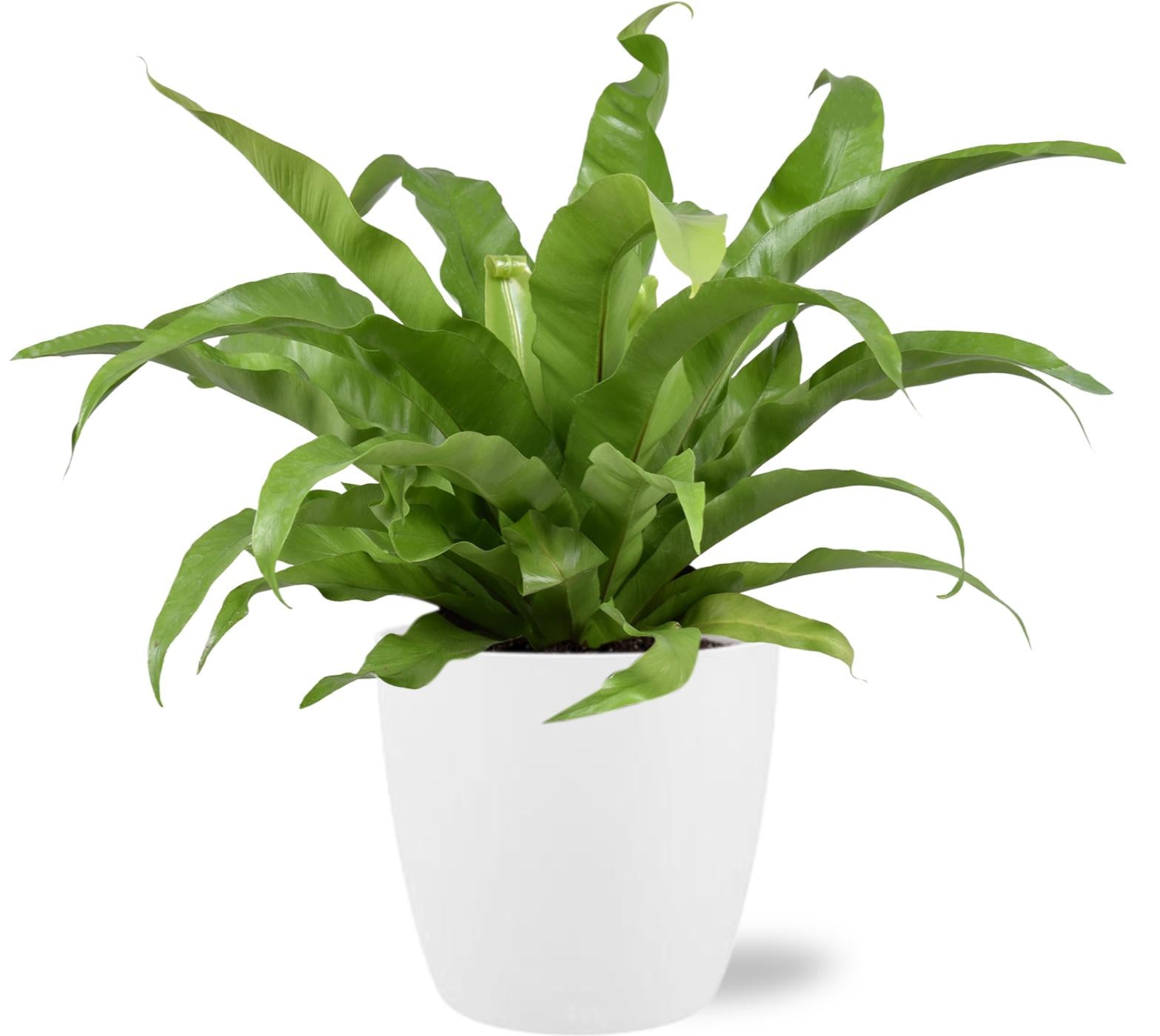
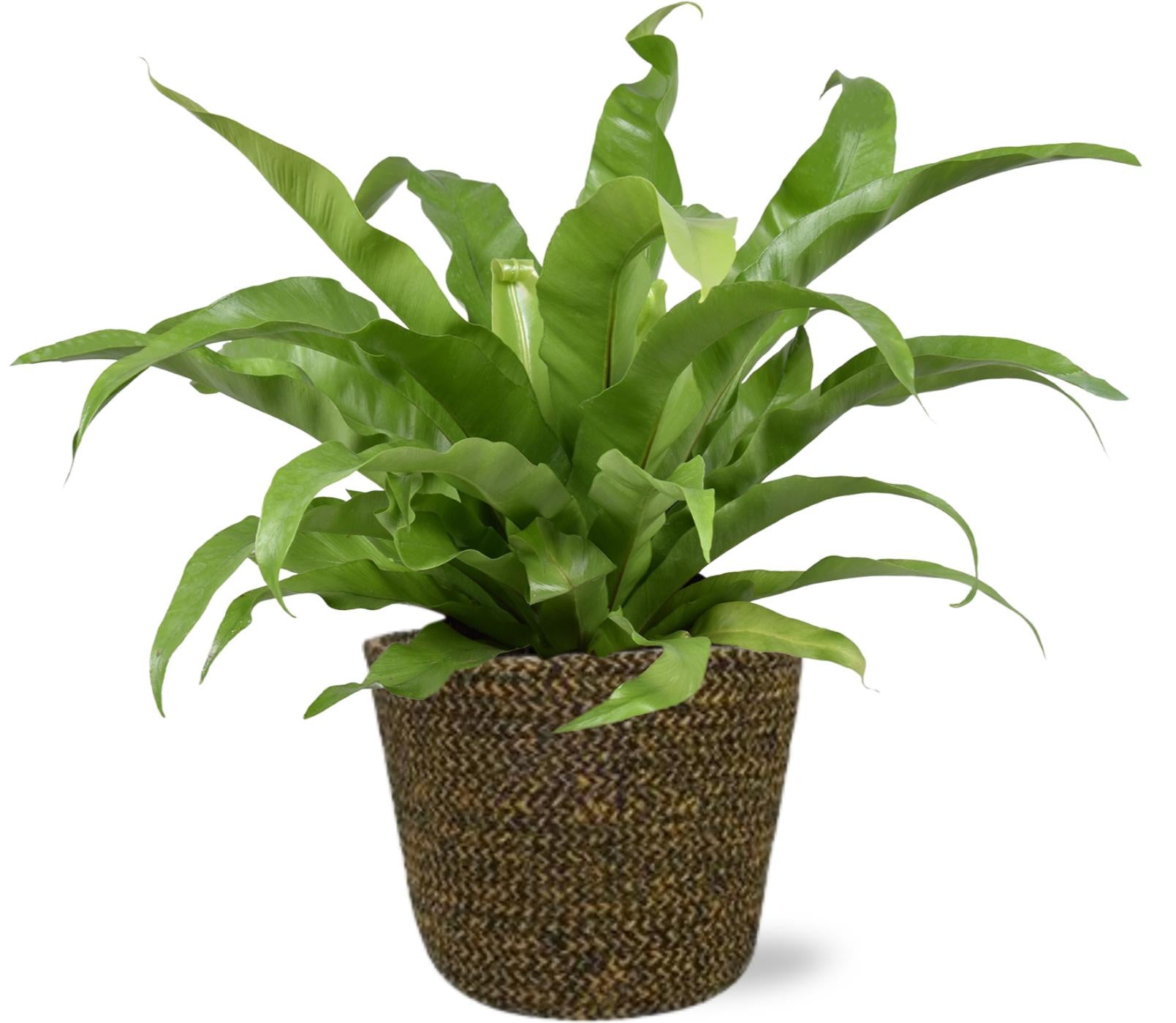
Asplenium Antiquum (M) + Decorative Pot
Japanese bird’s-nest fern- Regular price
- From €33,95
- Sale price
- €38,95
- Unit price
- per
- 45 centimeters
- 17 centimeters pot diameter
- Cat-safe
- Dog-safe
-
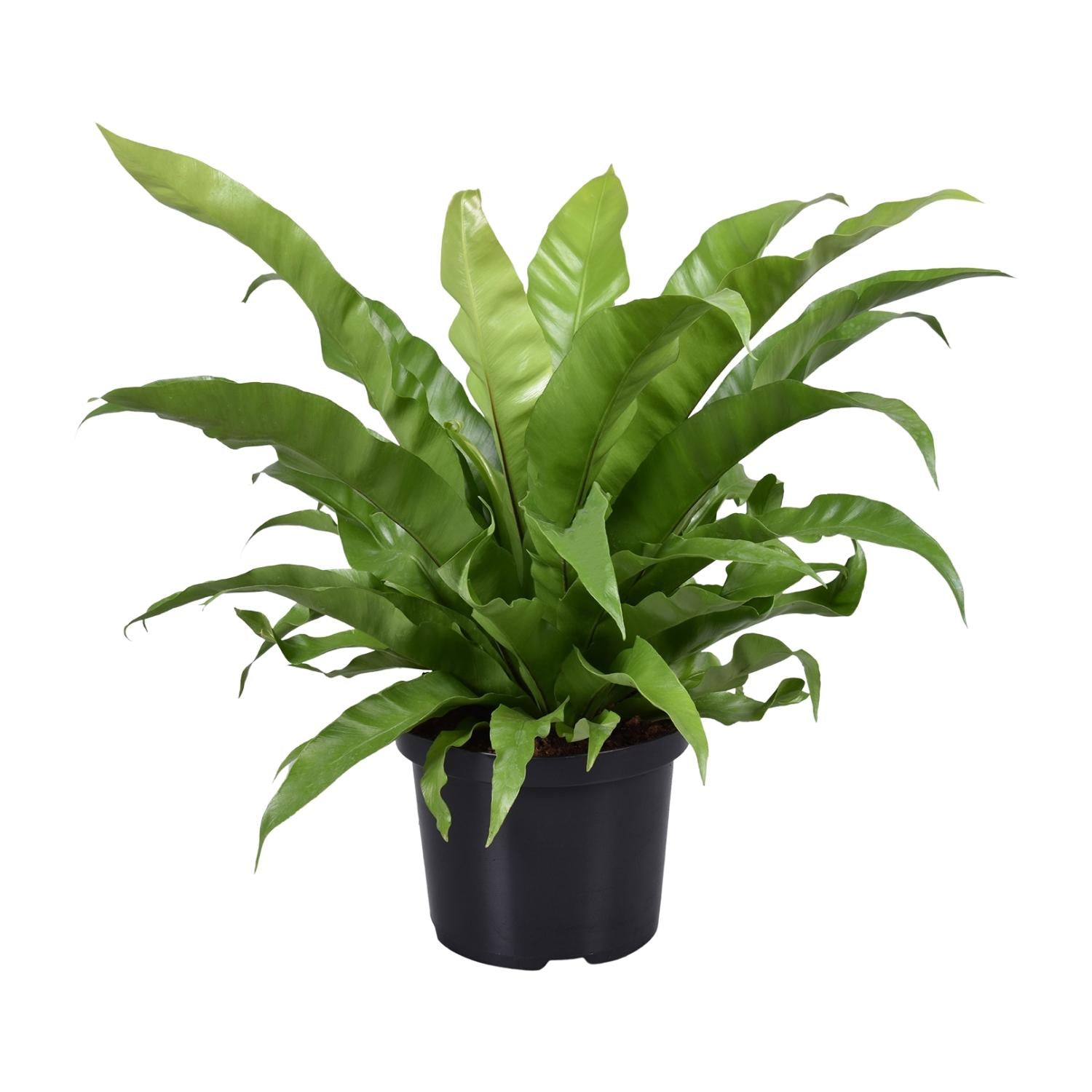
Asplenium Antiquum - Large
Japanese bird’s-nest fern- Regular price
- €55,95
- Unit price
- per
- 60 centimeters
- 23 centimeters pot diameter
- Cat-safe
- Dog-safe
-
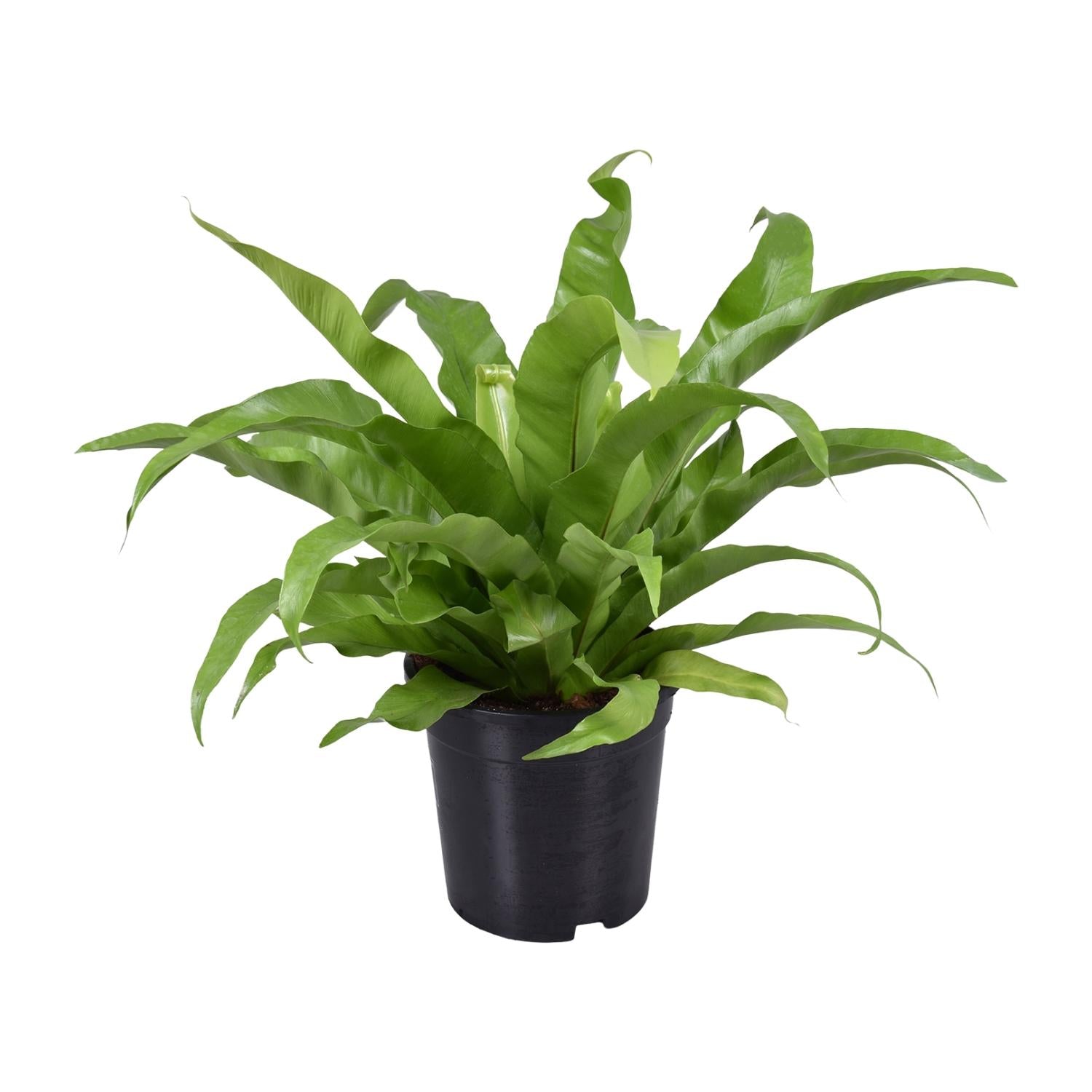
Asplenium Antiquum - Medium
Japanese bird’s-nest fern- Regular price
- €25,95
- Unit price
- per
- 45 centimeters
- 17 centimeters pot diameter
- Cat-safe
- Dog-safe
-
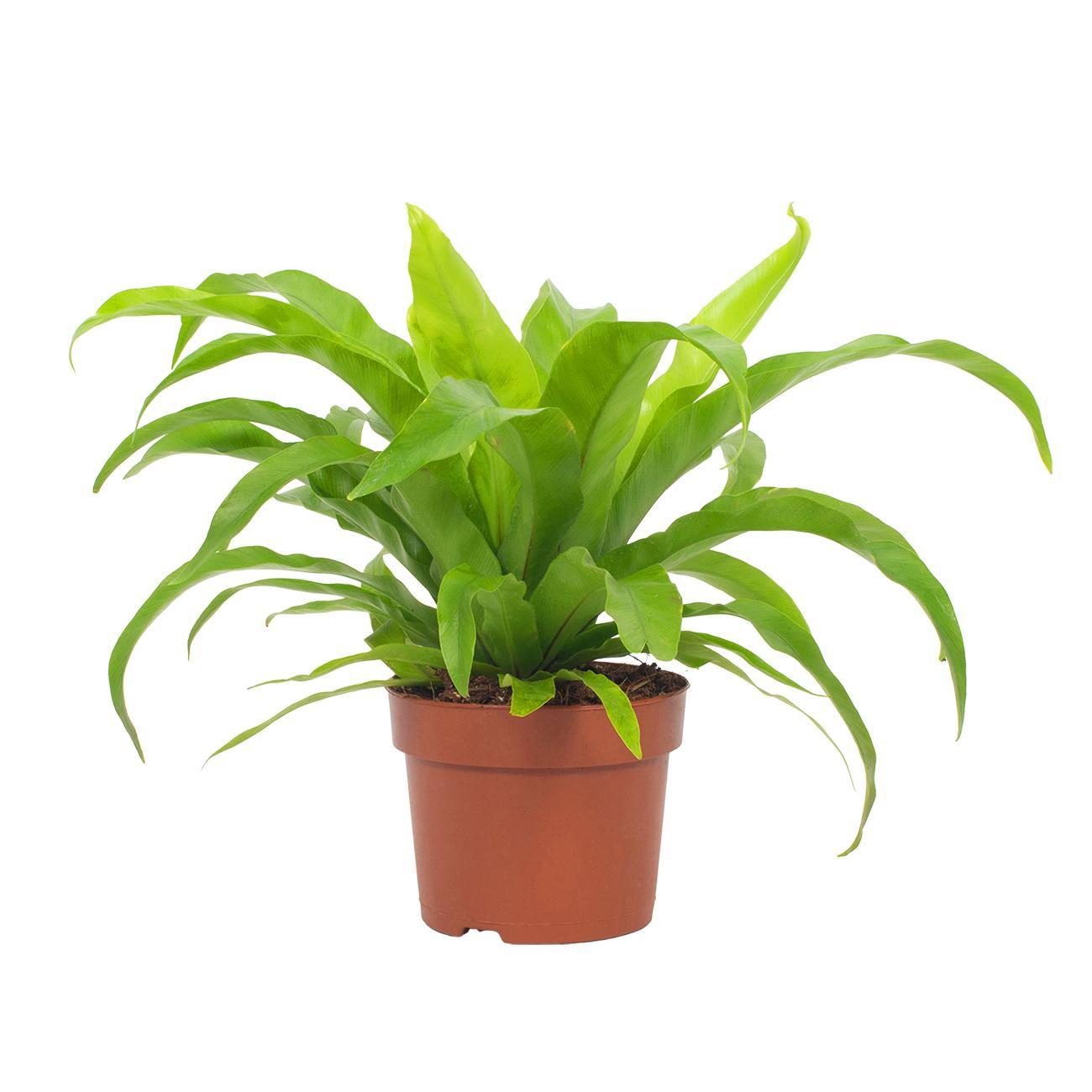
Asplenium Antiquum - Small
Japanese bird’s-nest fern- Regular price
- €14,95
- Unit price
- per
- 19 centimeters
- 12 centimeters pot diameter
- Cat-safe
- Dog-safe
-
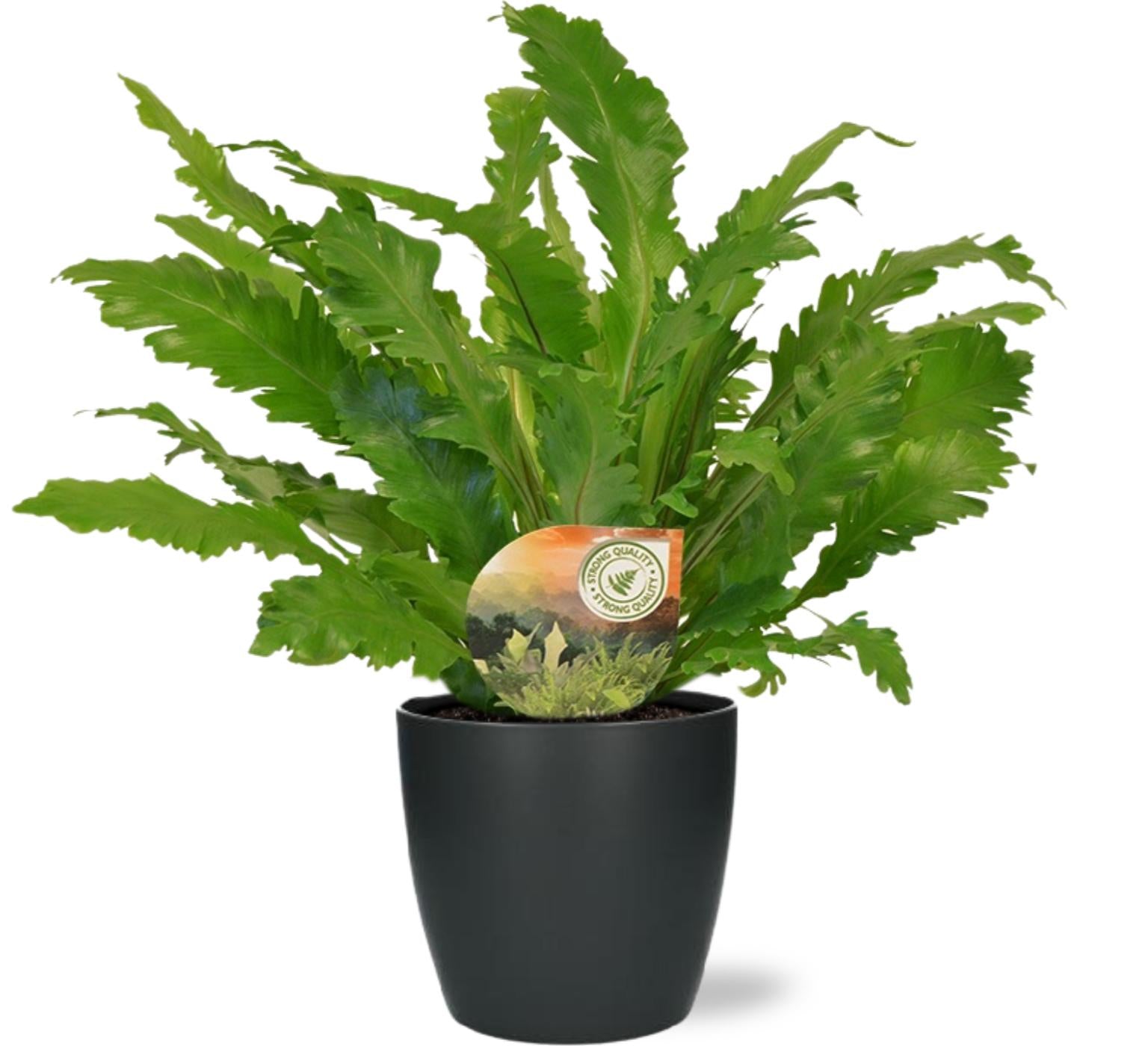
Asplenium Antiquum Campio (L) + Decorative Pot (Black)
Japanese bird’s-nest fern ‘Campio’- Regular price
- €39,95
- Sale price
- €45,95
- Unit price
- per
- 50 centimeters
- 17 centimeters pot diameter
- Cat-safe
- Dog-safe
-
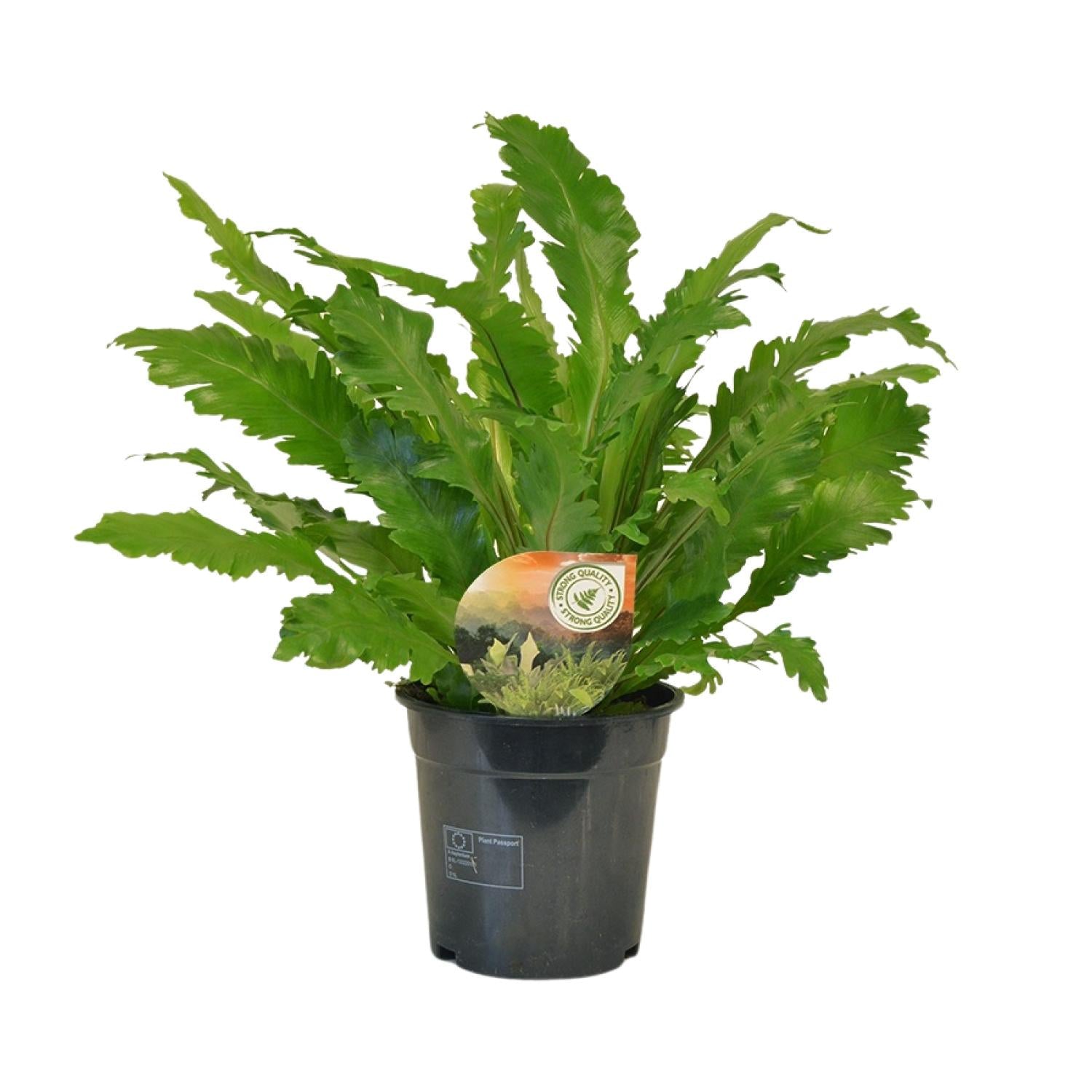
Asplenium Antiquum Campio - Large
Japanese bird’s-nest fern ‘Campio’- Regular price
- €29,95
- Unit price
- per
- 50 centimeters
- 17 centimeters pot diameter
- Cat-safe
- Dog-safe
-
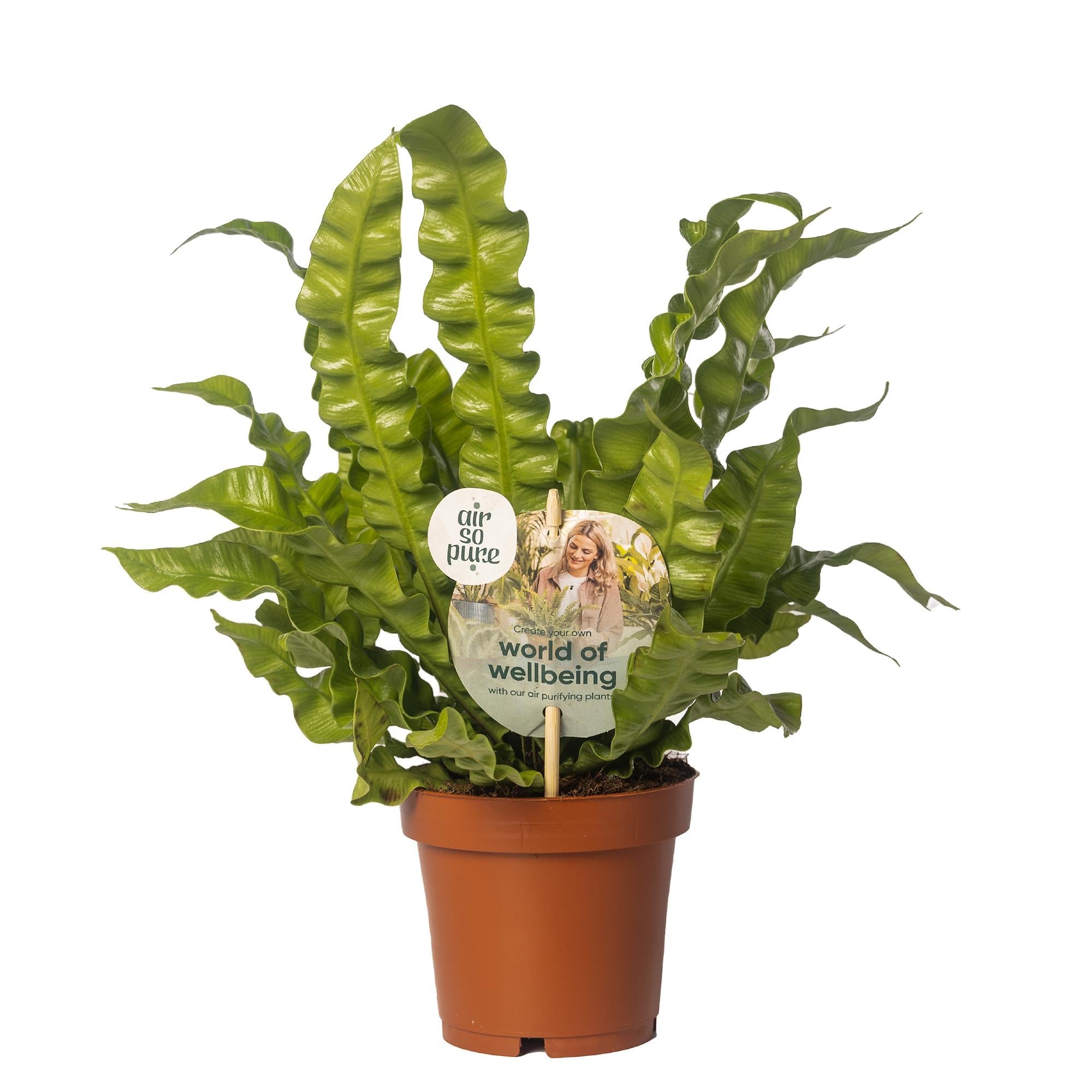
Asplenium Antiquum Crispy Wave
Japanese bird’s-nest fern ‘Crispy Wave’- Regular price
- €19,95
- Unit price
- per
- 25 centimeters
- 12 centimeters pot diameter
- Cat-safe
- Dog-safe
-
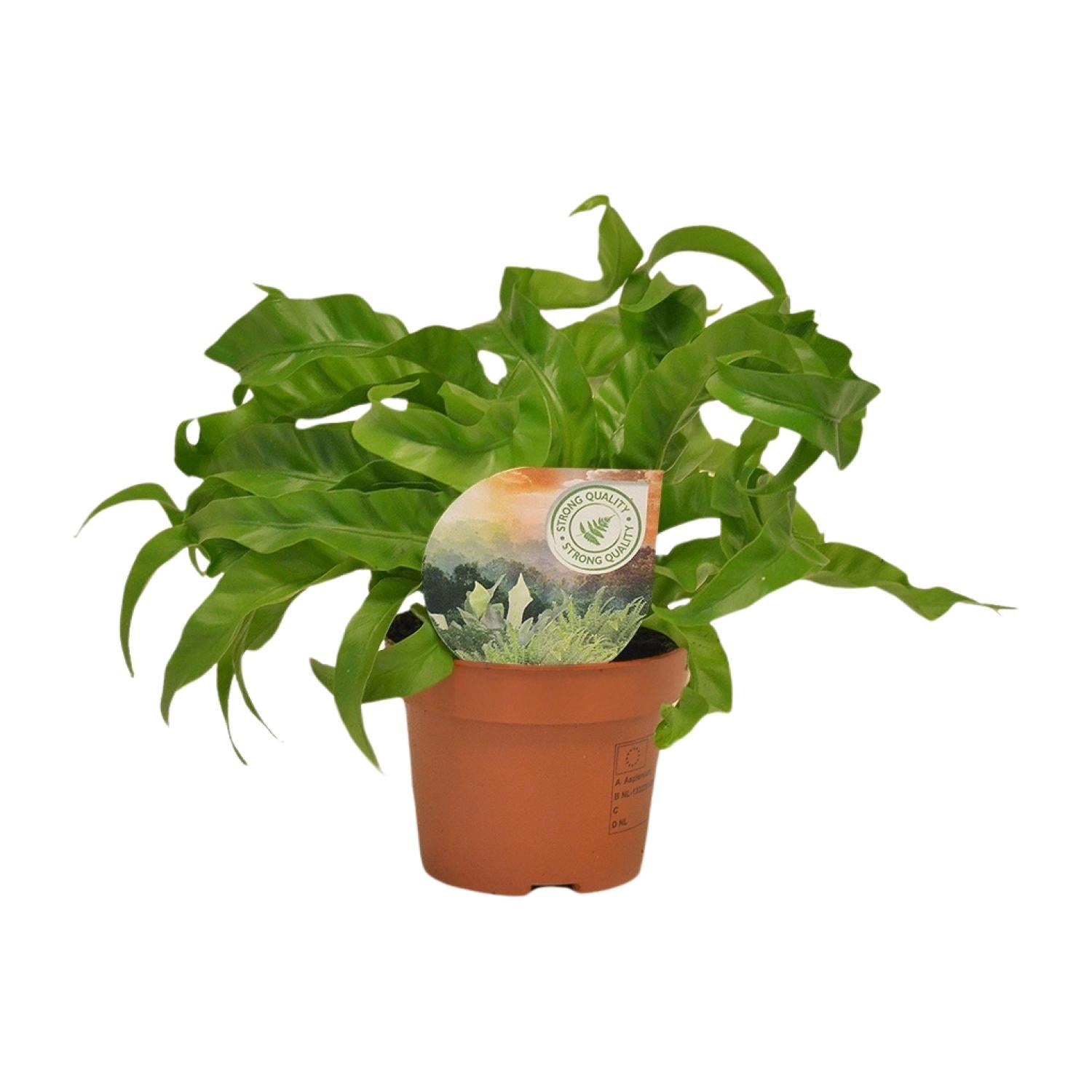
Asplenium Antiquum Hurricane
Japanese bird’s-nest fern ‘Hurricane’- Regular price
- €19,95
- Unit price
- per
- 30 centimeters
- 12 centimeters pot diameter
- Cat-safe
- Dog-safe
